Common Garden Pests and Natural Solutions
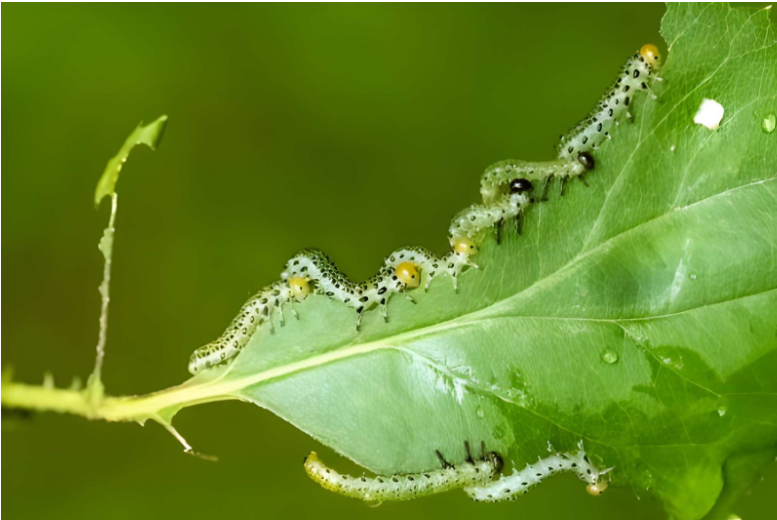
A healthy garden can quickly become a target for insects and other pests. While some bugs are beneficial, others can damage leaves, weaken plants, spread disease, and reduce harvests. The good news is that you do not always need harsh chemicals to protect your plants. Many common garden pests can be managed with natural solutions that are safer for people, pets, pollinators, and the environment.
This guide covers the most common garden pests, how to identify them, and effective natural pest control methods to keep your garden thriving.
Why Choose Natural Garden Pest Control?
Natural garden pest control focuses on Ga6789 prevention, balance, and safe treatments. Instead of killing every insect in the garden, the goal is to control harmful pests while protecting beneficial insects such as ladybugs, bees, lacewings, and butterflies.
Chemical pesticides can sometimes harm soil health, pollinators, and even the plants you are trying to protect. Natural solutions are often affordable, easy to apply, and suitable for vegetable gardens, herb gardens, flower beds, and fruit plants.
Aphids
Aphids are small, soft-bodied insects that gather on stems, buds, and the undersides of leaves. They may be green, black, yellow, gray, or pink. Aphids feed by sucking sap from plants, which can cause curled leaves, stunted growth, and sticky residue called honeydew.
Natural Solutions for Aphids
One of the easiest ways to remove aphids is to spray plants with a strong stream of water. This knocks them off the plant and makes it difficult for them to return. You can also use insecticidal soap or a homemade soap spray made with mild liquid soap and water.
Encouraging ladybugs and lacewings is another effective natural aphid control method. These beneficial insects feed on aphids and can help keep populations under control.
Slugs and Snails
Slugs and snails are common garden pests, especially in damp, shady areas. They chew irregular holes in leaves, flowers, and fruits. Young seedlings are particularly vulnerable and can be destroyed overnight.
Natural Solutions for Slugs and Snails
Remove slugs and snails by hand in the evening or early morning when they are most active. You can also place shallow containers of beer in the soil. Slugs are attracted to the yeast and fall into the trap.
Another natural solution is to create barriers around plants using crushed eggshells, copper tape, or diatomaceous earth. These materials make it harder for slugs and snails to reach tender plants.
Caterpillars
Caterpillars can cause serious damage by chewing leaves, stems, and fruits. Common examples include cabbage worms, tomato hornworms, and cutworms. You may notice large holes in leaves, dark droppings, or stripped stems.
Natural Solutions for Caterpillars
Handpicking is one of the simplest ways to control caterpillars, especially larger pests like tomato hornworms. Check plants regularly and remove caterpillars as soon as you find them.
For a natural biological solution, use Bacillus thuringiensis, commonly known as Bt. This naturally occurring bacteria targets caterpillars without harming most beneficial insects when used correctly. Floating row covers can also protect young plants from egg-laying moths and butterflies.
Whiteflies
Whiteflies are tiny, white flying insects that gather on the undersides of leaves. When disturbed, they fly up in clouds. Like aphids, whiteflies suck plant sap and can cause yellowing leaves, weak growth, and sticky honeydew.
Natural Solutions for Whiteflies
Yellow sticky traps can help monitor and reduce whitefly populations. You can also spray affected plants with insecticidal soap or neem oil, making sure to cover the undersides of leaves.
Pruning heavily infested leaves can reduce the problem. To prevent future infestations, avoid over-fertilizing with nitrogen, as soft new growth attracts sap-sucking pests.
Spider Mites
Spider mites are tiny pests that are hard to see without close inspection. They thrive in hot, dry conditions and often attack indoor plants, tomatoes, beans, and ornamental plants. Signs include fine webbing, speckled leaves, and a dusty or faded appearance.
Natural Solutions for Spider Mites
Increase humidity around plants and spray leaves with water to discourage spider mites. Regularly rinsing the undersides of leaves can remove both mites and eggs.
Neem oil and insecticidal soap are useful natural treatments. Apply them in the early morning or evening to avoid leaf burn and to protect pollinators. Repeated applications may be necessary because spider mites reproduce quickly.
Japanese Beetles
Japanese beetles are metallic green and copper-colored insects that feed on leaves, flowers, and fruit. They often skeletonize leaves, leaving only the veins behind. Roses, grapes, beans, and fruit trees are common targets.
Natural Solutions for Japanese Beetles
Handpick Japanese beetles in the morning when they are sluggish. Drop them into a bucket of soapy water. Avoid using pheromone traps near your garden because they can attract more beetles than they catch.
Planting pest-repelling herbs and flowers such as garlic, chives, catnip, and marigolds may help reduce damage. Encouraging birds can also support natural beetle control.
Squash Bugs
Squash bugs commonly attack squash, pumpkins, cucumbers, and melons. They are brown or gray insects that feed on plant sap, causing leaves to wilt, turn black, and die. Their bronze-colored eggs are often found in clusters on the undersides of leaves.
Natural Solutions for Squash Bugs
Inspect plants often and remove eggs by scraping them off with tape or your fingers. Handpick adult squash bugs and nymphs, then drop them into soapy water.
Use row covers early in the season to protect young plants, but remove them when flowers appear so pollinators can reach the blooms. Cleaning up garden debris at the end of the season also helps prevent squash bugs from overwintering.
Fungus Gnats
Fungus gnats are small, dark flies often found around houseplants and seed-starting trays. Adult gnats are annoying, but their larvae can damage roots, especially in seedlings. They are usually a sign of overly wet soil.
Natural Solutions for Fungus Gnats
Allow the top layer of soil to dry between waterings. Fungus gnats thrive in moist conditions, so improving drainage is key.
Yellow sticky traps can catch adult gnats, while a layer of sand or fine gravel on top of the soil can make it harder for adults to lay eggs. Beneficial nematodes are another natural option for controlling larvae in the soil.
Preventing Garden Pest Problems Naturally
The best natural pest control strategy is prevention. Healthy plants are more resistant to pests and diseases. Start by choosing the right plants for your climate, providing proper sunlight, improving soil with compost, and watering consistently.
Crop rotation is important in vegetable gardens because it prevents pests from building up in the soil. Companion planting can also help. For example, marigolds may deter some pests, basil can support tomatoes, and dill attracts beneficial insects.
Keep your garden clean by removing dead leaves, fallen fruit, and diseased plants. However, avoid making the garden too sterile. A balanced garden with flowers, herbs, mulch, and diverse plants creates a habitat for beneficial insects.
Final Thoughts
Common garden pests are frustrating, but they do not have to ruin your growing season. By identifying pests early and using natural solutions such as handpicking, neem oil, insecticidal soap, row covers, traps, and beneficial insects, you can protect your plants without relying on harsh chemicals.
Natural garden pest control works best when combined with Đăng ký Ga6789 good gardening habits. Build healthy soil, encourage biodiversity, monitor plants often, and act quickly when pests appear. With patience and consistency, your garden can stay productive, beautiful, and naturally balanced.
Leave a Reply